

Story: Nikilitha Burns
Walter Sisulu University (WSU) has officially launched the SHE STEAM programme (Science, Technology, Engineering, Arts and Mathematics) in a bold step towards addressing long standing gender imbalances in these critical fields.
For many years, girls have been discouraged from pursuing subjects considered “difficult” or traditionally reserved for boys, particularly in technology and engineering. Through the SHE STEAM initiative, the university aims to challenge and change the belief that girls do not belong in technology related courses.
The message driving the programme is simple but powerful: STEAM has no gender.
The initiative targets Grade 8 and Grade 9 learners, providing them with early exposure to STEAM subjects while building their confidence at a crucial stage in their academic development.
The goal is to empower young girls to make informed career choices and pursue any field they are passionate about. The programme is supported by partners from the United States, the Department of Education, and the South African Petroleum and Energy Education Foundation (SAPNEP). According to Professor Bongani Bantwini, the initiative promotes inclusion and equal opportunity, encouraging young girls to believe in their abilities and confidently pursue careers in science, technology, engineering, arts and mathematics.
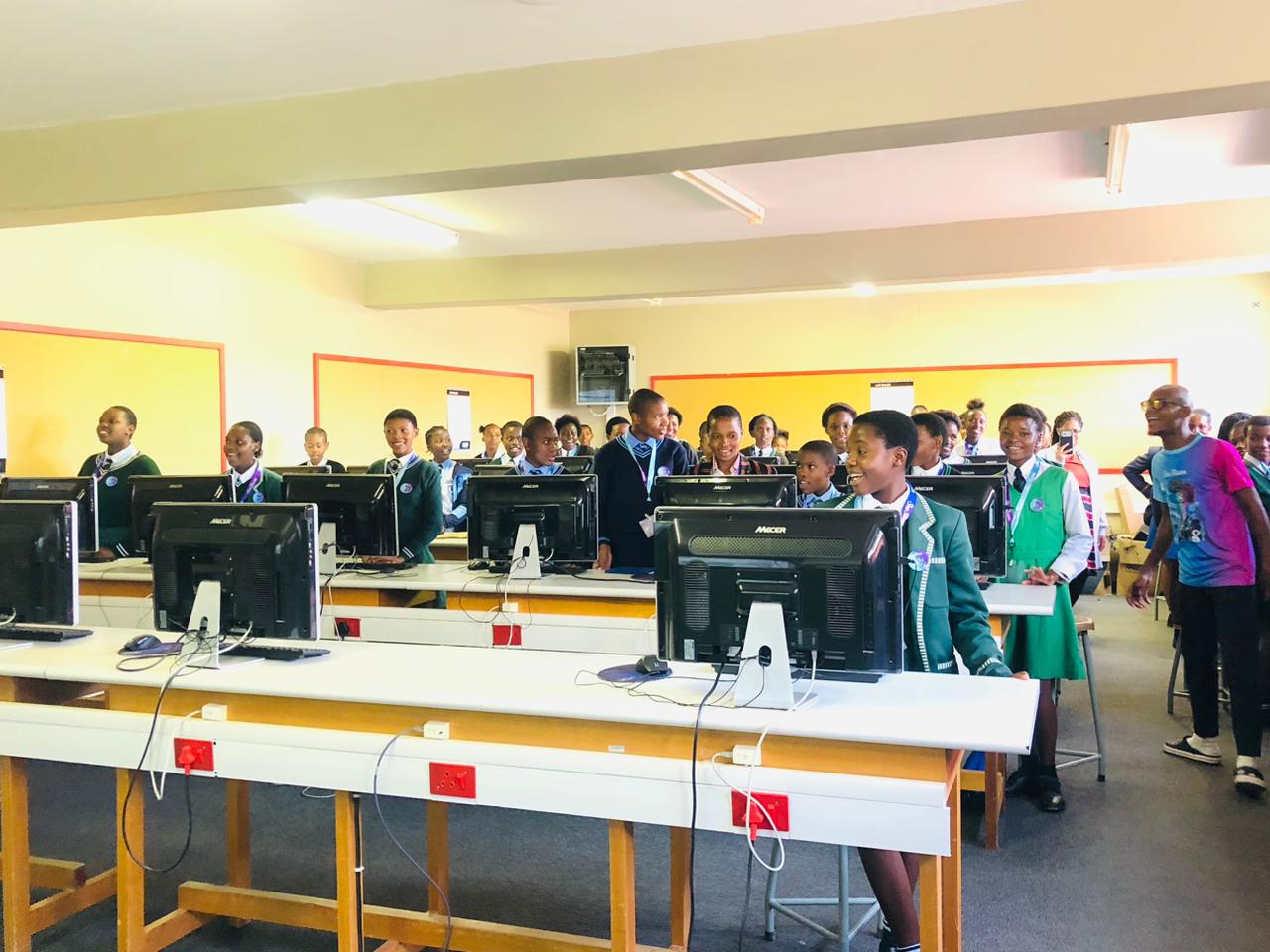
As part of the programme, participants engaged in interactive and hands on activities designed to spark and strengthen their interest in STEAM subjects. One of the highlights was an Artificial Intelligence (AI) Hackathon, where learners were introduced to basic coding and problem-solving skills to tackle real-life challenges.
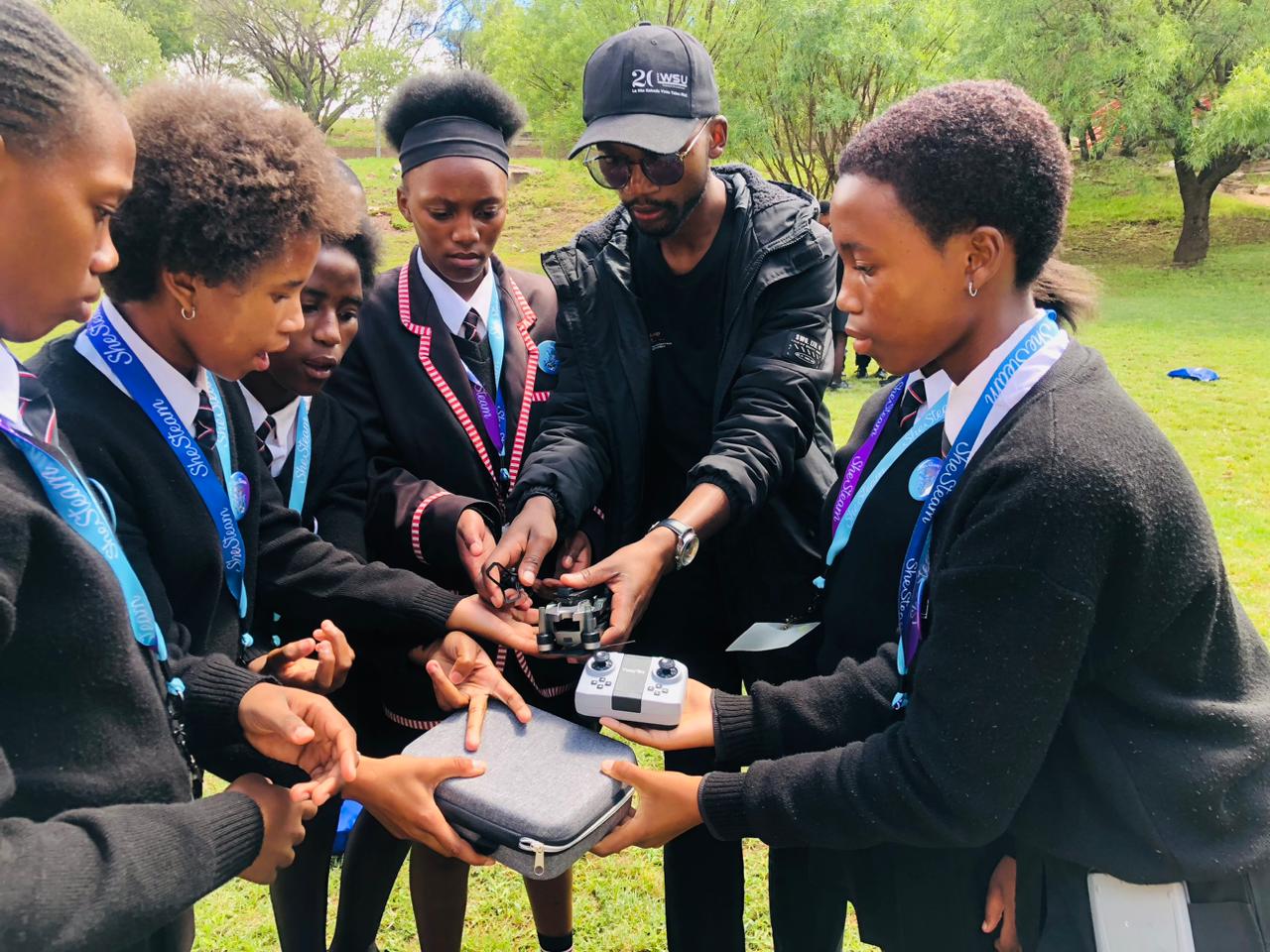
Some learners also participated in activities at the I AM STEM Innovation Lab, where they explored innovation, creativity and teamwork. In addition, they received practical exposure to advanced technology by learning how to operate drones.
The programme concluded with the girls proudly presenting the websites they had developed during the Hackathon. They explained their concepts, demonstrated how their websites functioned, and outlined the problems they aimed to solve. Their presentations reflected not only the technical knowledge they had gained but also their growing confidence, communication skills and ability to work collaboratively.
The SHE STEAM programme has left many learners inspired and motivated, reinforcing the message that when given equal opportunities and proper support, girls can excel in STEAM fields just as much as anyone else.
